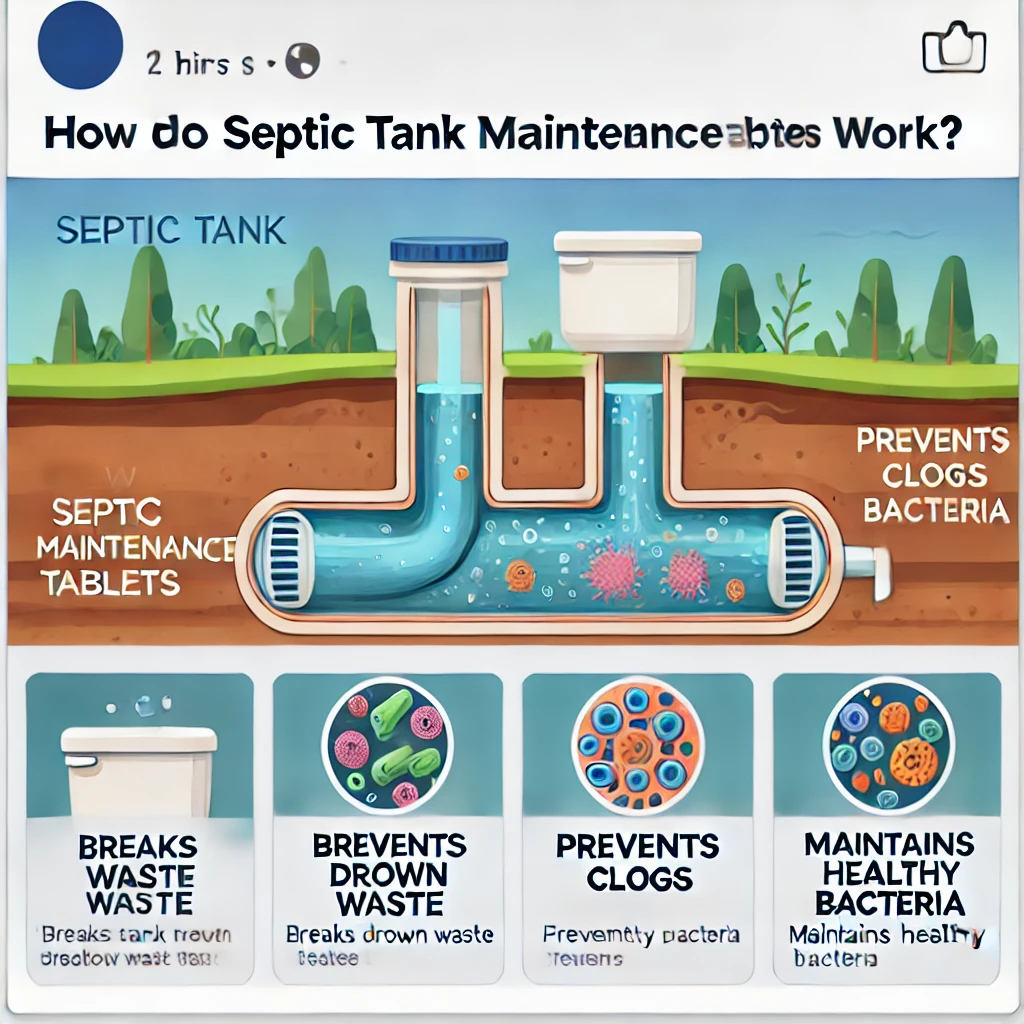
Keep Your Septic Tank Clean and Avoid Expensive Repairs

Most septic tank problems start silently.
Bad odors, slow drains and contaminated soil usually appear when the natural bacteria inside the tank become unbalanced.

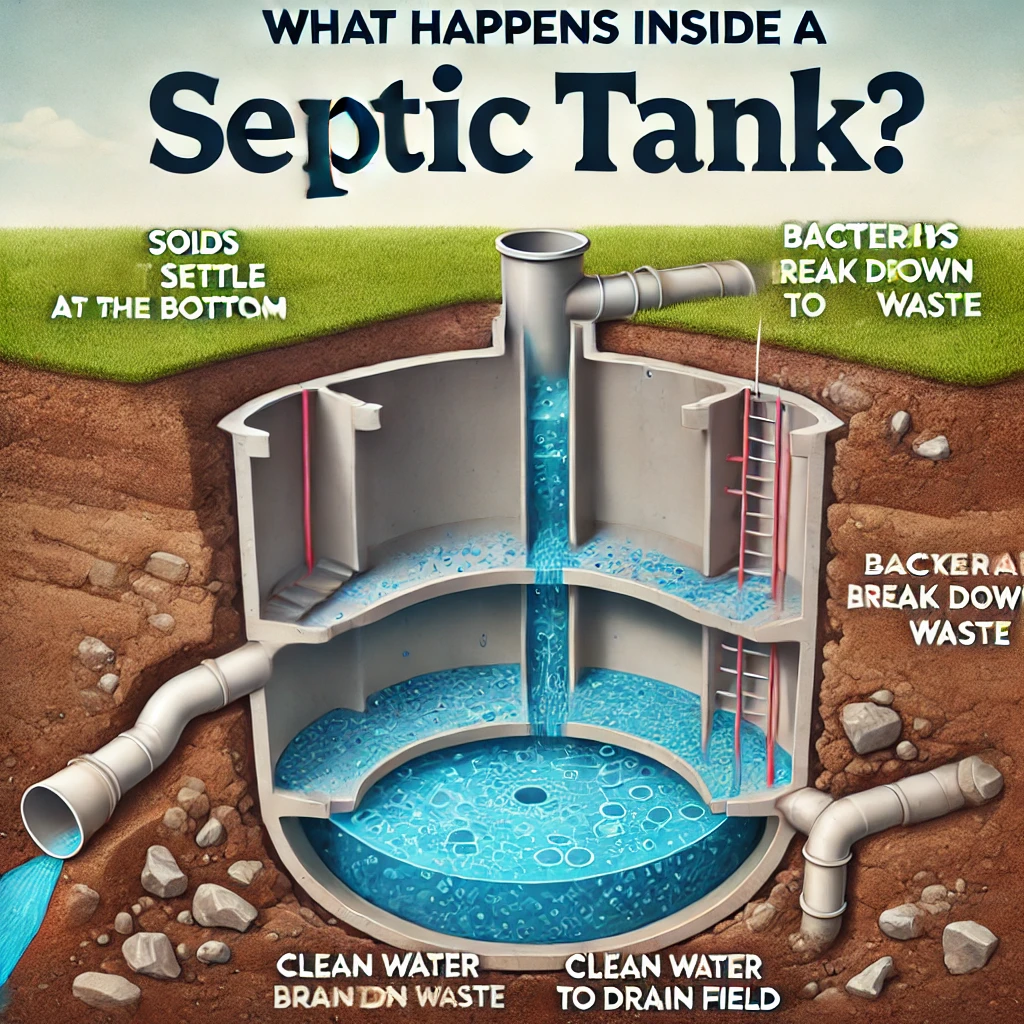
This guide explains how septic systems work and how you can maintain them properly to prevent costly problems.
Common Septic Tank Problems Homeowners Face

Do You Notice Any of These Signs Around Your Septic System?

Many septic tank issues begin quietly.
If the bacterial balance inside the tank is disturbed, the system stops breaking down waste efficiently.

These are the most common warning signs homeowners experience before serious problems appear.
Septic Leaks & Overflow
Stop wastewater leaks before they damage your yard and system.
Bad Odors Outside?
Eliminate septic smells fast and keep your outdoor space clean.
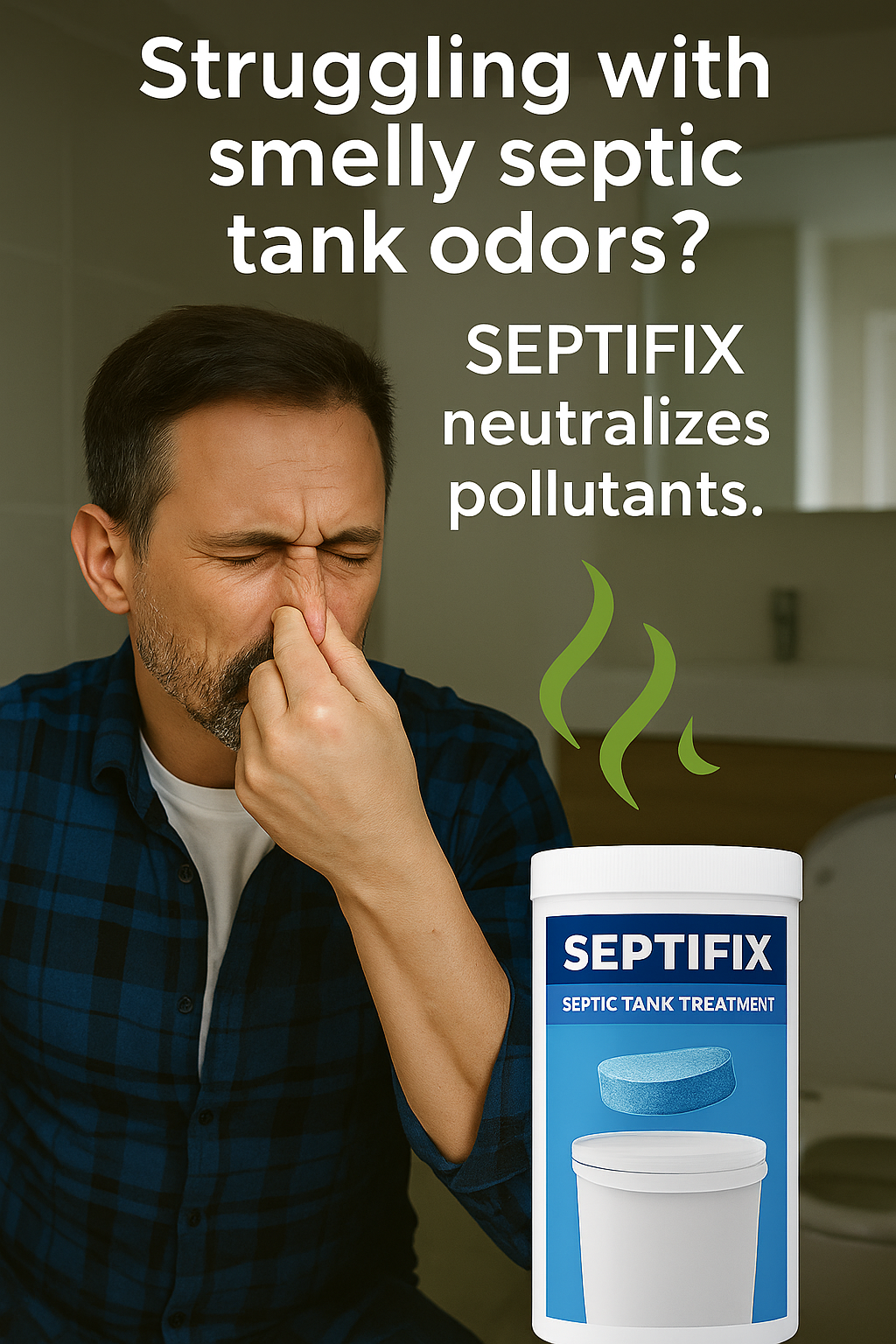
Smell Inside Your Home?
Restore your septic balance and remove odors from the source.

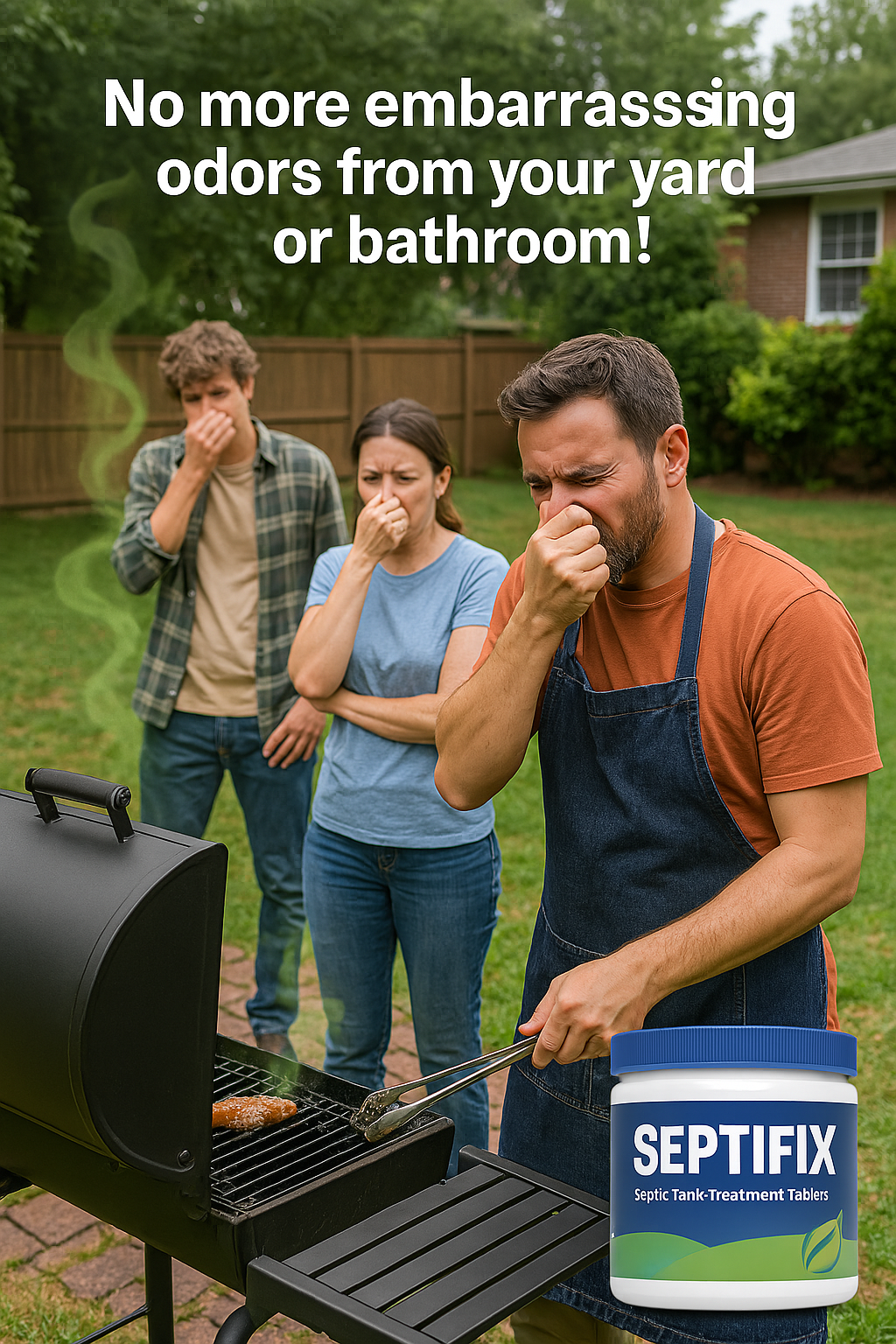
Bad Odors Around the Yard?

A strong sewage smell near the septic tank or drain field is often the first sign that waste is not breaking down properly. This usually means the natural bacteria inside the tank are no longer working efficiently.

Slow Drains Inside the House?

When sinks, showers or toilets begin draining slowly, it may indicate that the septic system is struggling to process waste properly.

Wet or Unusual Spots in the Yard

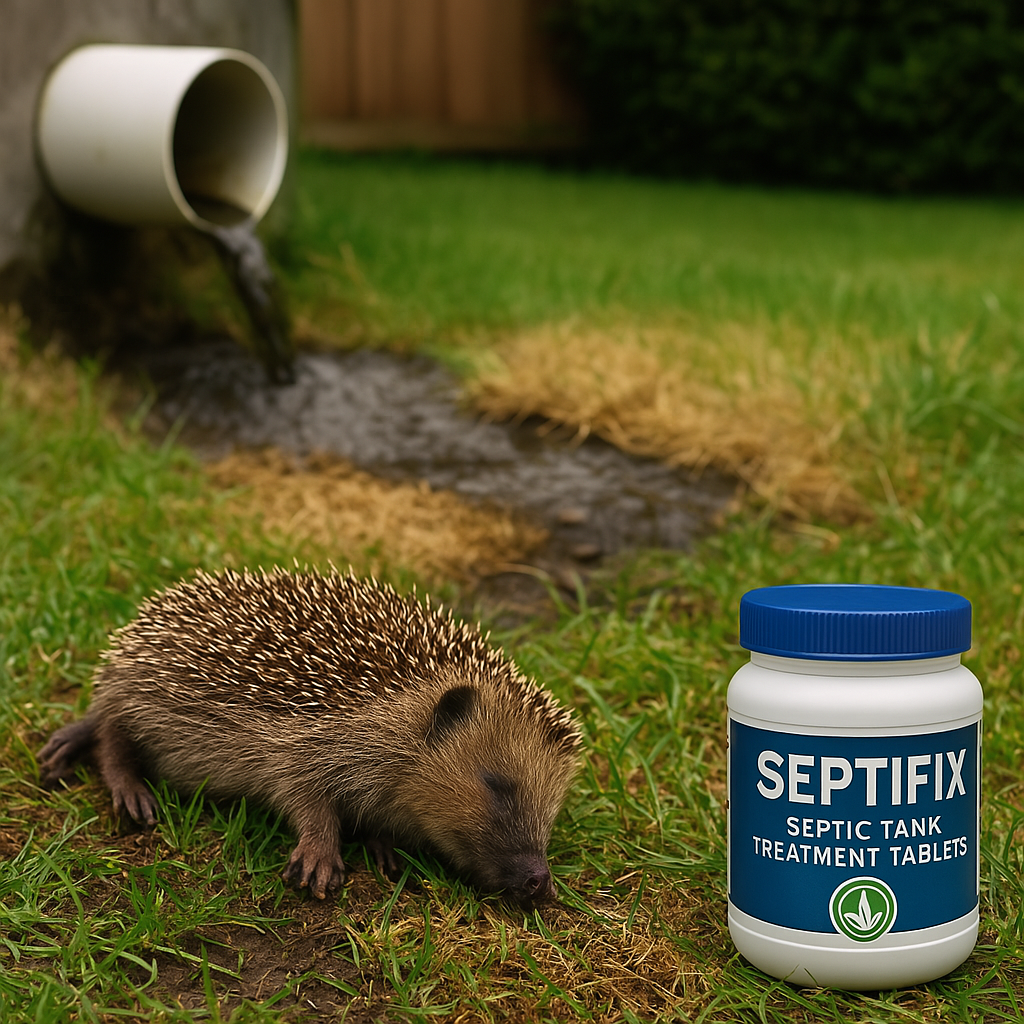
Patches of overly green grass or wet soil around the septic area can signal that untreated wastewater is leaking into the ground.

Frequent Tank Pumping

If your septic tank needs pumping more often than normal, the biological process inside the tank may be disrupted.

Why Proper Septic Tank Maintenance Matters

A septic system works silently underground, but when problems appear they can quickly become expensive and unpleasant.

Learning how the system works and keeping the bacterial balance inside the tank healthy can help prevent odors, slow drains and costly repairs.

What Every Homeowner Wants From Their Septic System

A healthy septic system works quietly in the background. When the bacterial balance inside the tank is maintained properly, waste breaks down naturally and the system runs smoothly for years.

No Odors Around Your Property

A balanced septic tank eliminates unpleasant smells around the yard and near the drain field, keeping your home environment clean and comfortable.

Smooth and Reliable Drainage

When the system works properly, sinks, showers and toilets drain normally without slow flow or unexpected blockages.

Long-Lasting Septic System

Proper maintenance supports the natural bacteria inside the tank, helping the system last longer and reducing the need for costly repairs or frequent pumping.

About This Septic System Guide

Practical Knowledge for Homeowners
This website was created to help homeowners better understand how septic systems work and how to maintain them properly.

Many septic tank problems appear slowly, starting with small warning signs such as unpleasant odors, slow drains or unusual wet areas in the yard. When these signs are ignored, the system can eventually fail and repairs can become very expensive.

The goal of this guide is simple:
to explain in clear terms how septic systems function and what steps homeowners can take to keep them working efficiently for many years.

You will find practical information about septic maintenance, common problems and solutions that help support the natural bacterial balance inside the tank.

A Simple Way to Support Your Septic System Naturally

Many septic tank problems begin when the natural bacteria inside the tank become unbalanced. When this happens, waste no longer breaks down efficiently and issues such as odors, slow drains and system overload may appear.

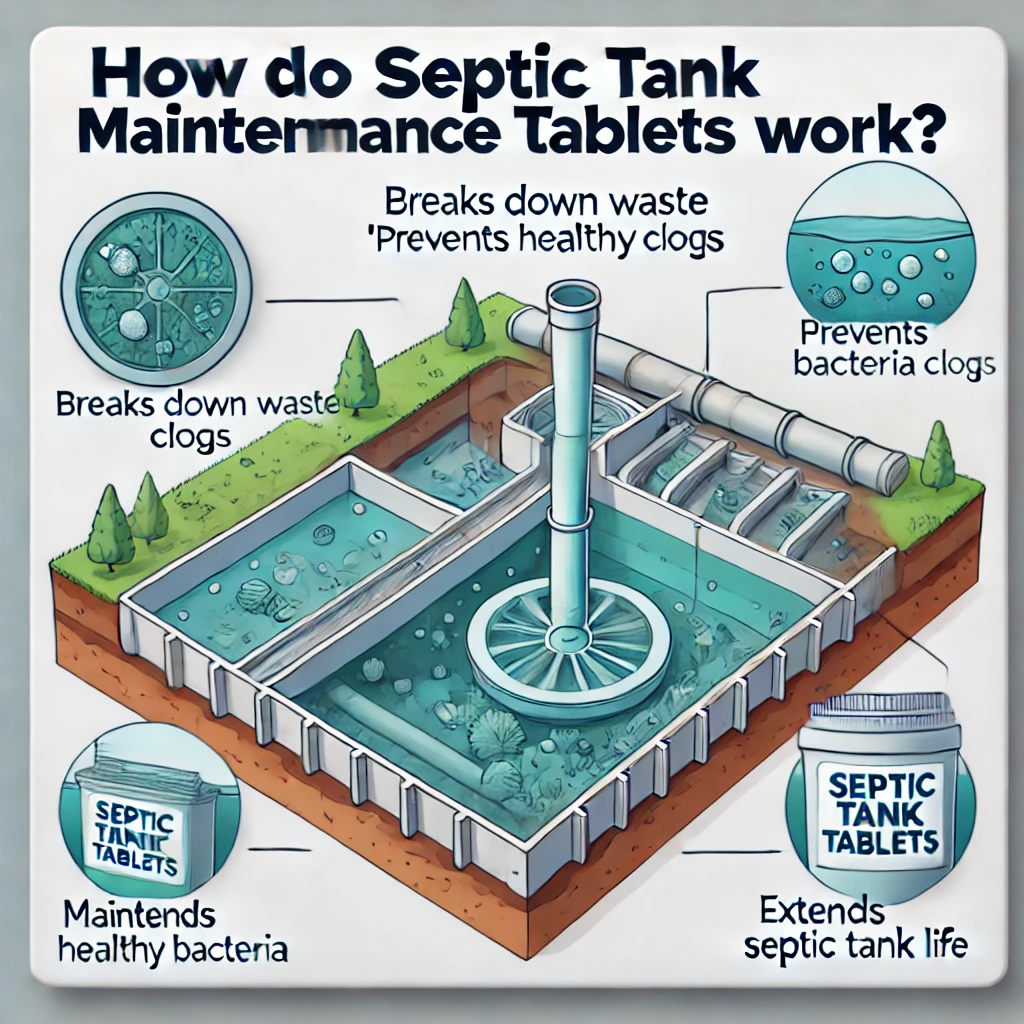
One simple way homeowners support the natural process inside the tank is by using biological septic treatments designed to help restore the bacterial balance.

These treatments work by introducing beneficial bacteria that help break down organic waste more effectively, allowing the system to function more smoothly.

When used regularly, septic treatments can help:

• reduce unpleasant odors
• improve waste breakdown inside the tank
• support smoother drainage
• help extend the life of the septic system

The guide on this website explains how these treatments work and how homeowners can use them correctly as part of a proper septic maintenance routine.

3 Simple Steps to Keep Your Septic System Healthy

A properly maintained septic system doesn't require complicated solutions.
These simple steps help support the natural process inside the tank.

1 Identify Early Warning Signs

Pay attention to signs such as unpleasant odors, slow drains or wet areas in the yard. These symptoms often indicate that the septic system needs maintenance.
See How Septic Tank Treatment Works
Copyright @ Pianoforte solicitude so decisively

2 Restore the Natural Bacterial Balance

Biological septic treatments introduce beneficial bacteria that help break down organic waste and support the natural process inside the tank.

3 Maintain the System Regularly

Using septic treatments as part of a regular maintenance routine can help prevent odors, improve waste breakdown and extend the life of the system.

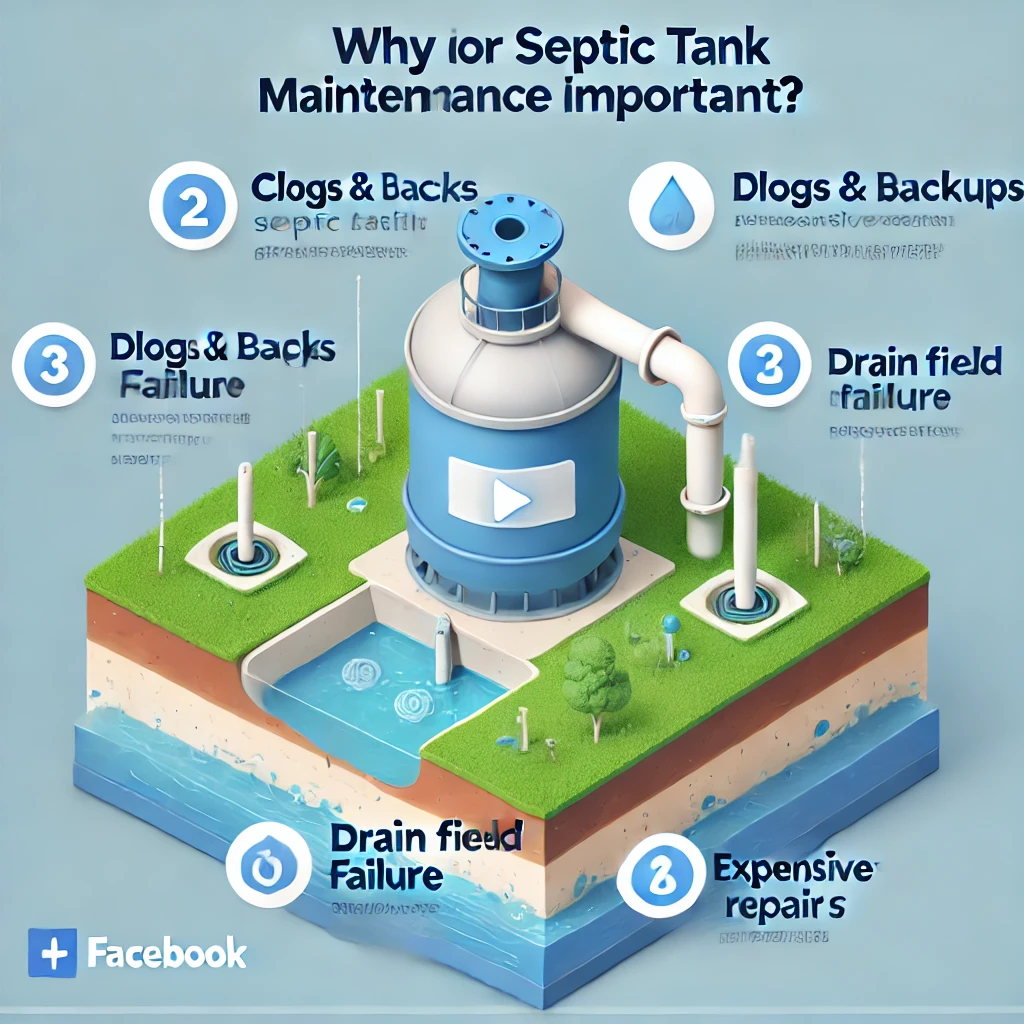
Why Septic Tank Maintenance Matters

A well-maintained septic system protects your home, your yard and the environment.
Simple maintenance steps can prevent expensive repairs and unpleasant problems.

Prevents Expensive Repairs

Regular septic maintenance helps avoid costly system failures, clogged pipes and emergency pumping services.

Protects Your Property

A healthy septic system prevents wastewater leaks, unpleasant odors and contamination around your home.

Supports Natural Waste Breakdown

Beneficial bacteria help break down organic waste naturally, improving the efficiency of the septic system.

Our Commitment to Safe Septic Maintenance

Simple solutions backed by practical septic maintenance principles designed to support the natural balance of your system.

Safe for Septic Systems

Septic treatments are designed to support the natural bacterial activity already present in the tank without harming pipes or the drainage field.

Supports Natural Bacteria

Beneficial bacteria help break down organic waste and improve the natural digestion process inside the septic tank.

Simple Preventive Maintenance

Regular maintenance helps reduce odors, improve drainage and keep the septic system working efficiently over time.

What Homeowners Say About Septic Maintenance

Homeowners who maintain their septic systems regularly often report fewer odors, better drainage and fewer costly repairs.
“We started paying attention to our septic maintenance after noticing slow drains and occasional odors.
Simple maintenance steps made a noticeable difference in how the system performs.”
Michael R. – Homeowner
Engineer
“Keeping the septic system maintained has helped prevent unpleasant smells and drainage issues around our property.
It's a small routine that saves a lot of stress later.”
David L. – Property Owner
Hardware Master
“After we began maintaining the septic system regularly, we noticed fewer odors and better drainage. It’s now a simple part of our home maintenance routine.”
Sarah T. – Rural Homeowner
Teacher
“Our drains were getting slower and we occasionally noticed odors in the yard. Once we started maintaining the septic system properly, those problems became much less frequent.”
JUSTIN KENT
Hardware Master

Take the First Step Toward a Healthier Septic System

Learn how proper septic tank maintenance can help reduce odors, improve drainage and support the natural balance of your system.

Discover a simple maintenance approach many homeowners use to keep their septic systems running smoothly.
Educational content – learn how septic maintenance works before making any decision.
Get the Free Septic Maintenance Guide
Enter your email and learn how homeowners maintain their septic systems safely and effectively.
Septic Guide Form

@ 2026 © 2026 Home Septic Guide. All rights reserved.
This site may contain affiliate links. We may earn a commission at no extra cost to you.
if (gclid) { localStorage.setItem('gclid', gclid); } })();